
The Problem with Plastic Food Containers
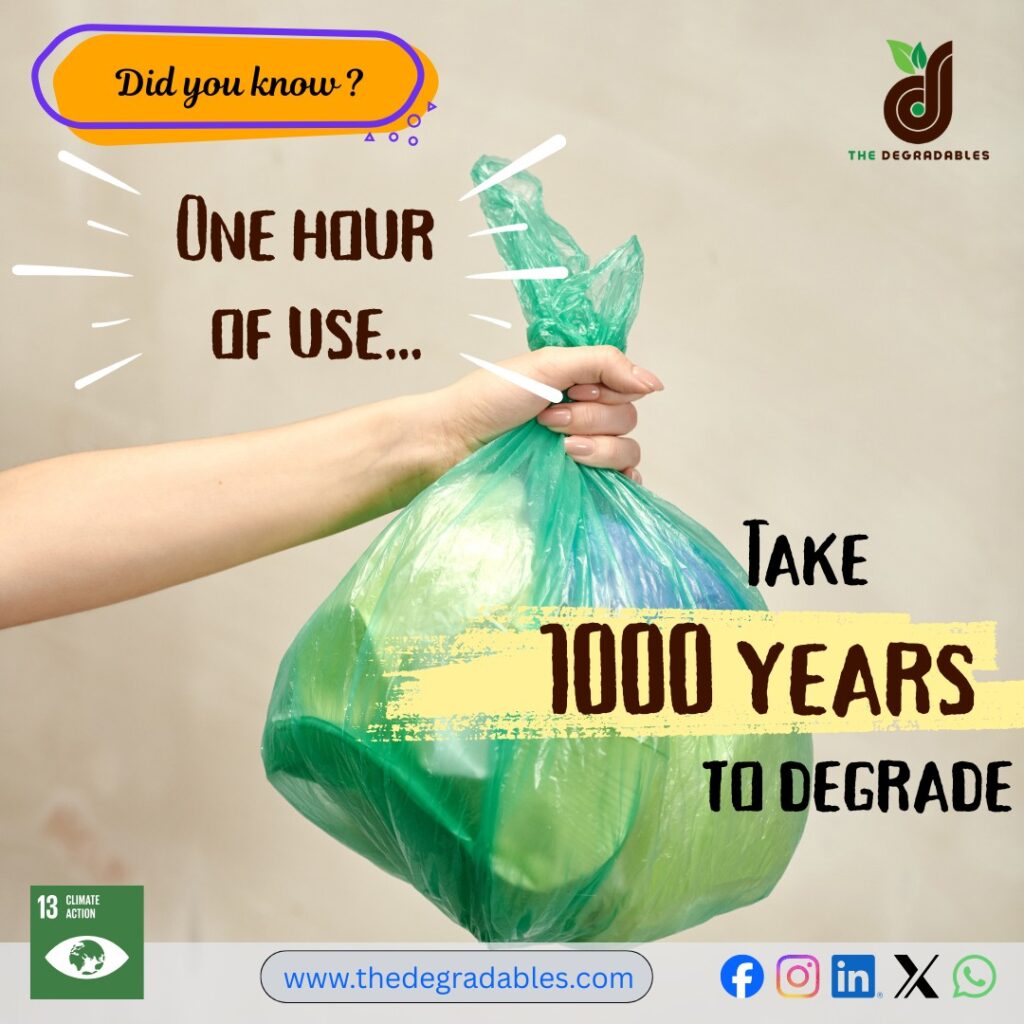
Imagine ordering food from Swiggy or Zomato, enjoying your meal, and throwing the plastic takeaway container away. This happens billions of times globally. Plastic food containers are made for one use, but they cause big trouble. Studies from the Geneva Environment Network show they break into tiny microplastics, smaller than 5mm, that pollute our oceans, soil, and air. These bits hurt wildlife like sea turtles and seabirds, leading to hunger and injuries. Additionally, a 2025 Monterey Bay Aquarium report says over 800 marine species suffer from plastic waste, including plastic food containers. Furthermore, they clog rivers and landfills, releasing methane gas that makes climate change worse and affects our air and weather.
Harm to People and Nature
Moreover, the damage doesn’t stop with nature; it reaches us too. Stanford Medicine’s 2025 findings reveal microplastics from plastic food containers are in our blood, placentas, and organs like the heart and brain. These small pieces cause swelling, stress, and harm to our DNA, which might lead to cancers, heart problems, and issues with having babies. Also, a 2024 study from the International Journal of Health Policy and Management notes that in places like Israel with lots of plastic, people face higher risks of diseases. Nanoplastics, even tinier bits, hurt breathing cells, according to PMC research. Kids and pregnant women are at risk, taking in toxins from food and water. It’s sad to think our quick meals could harm future generations.
Hope with Biodegradable Food Containers
On the other hand, there’s hope with biodegradable food containers. Unlike plastic food containers that last for centuries and pollute, biodegradable food containers break down naturally in months. They help reduce waste, protect wildlife, and lower health risks. ScienceDirect’s 2024 reviews show they don’t harm ecosystems like plastic food containers do. Furthermore, Earth.org says millions of animals die from plastic each year, but biodegradable food containers can save them. By choosing biodegradable food containers, we can help nature and our health.